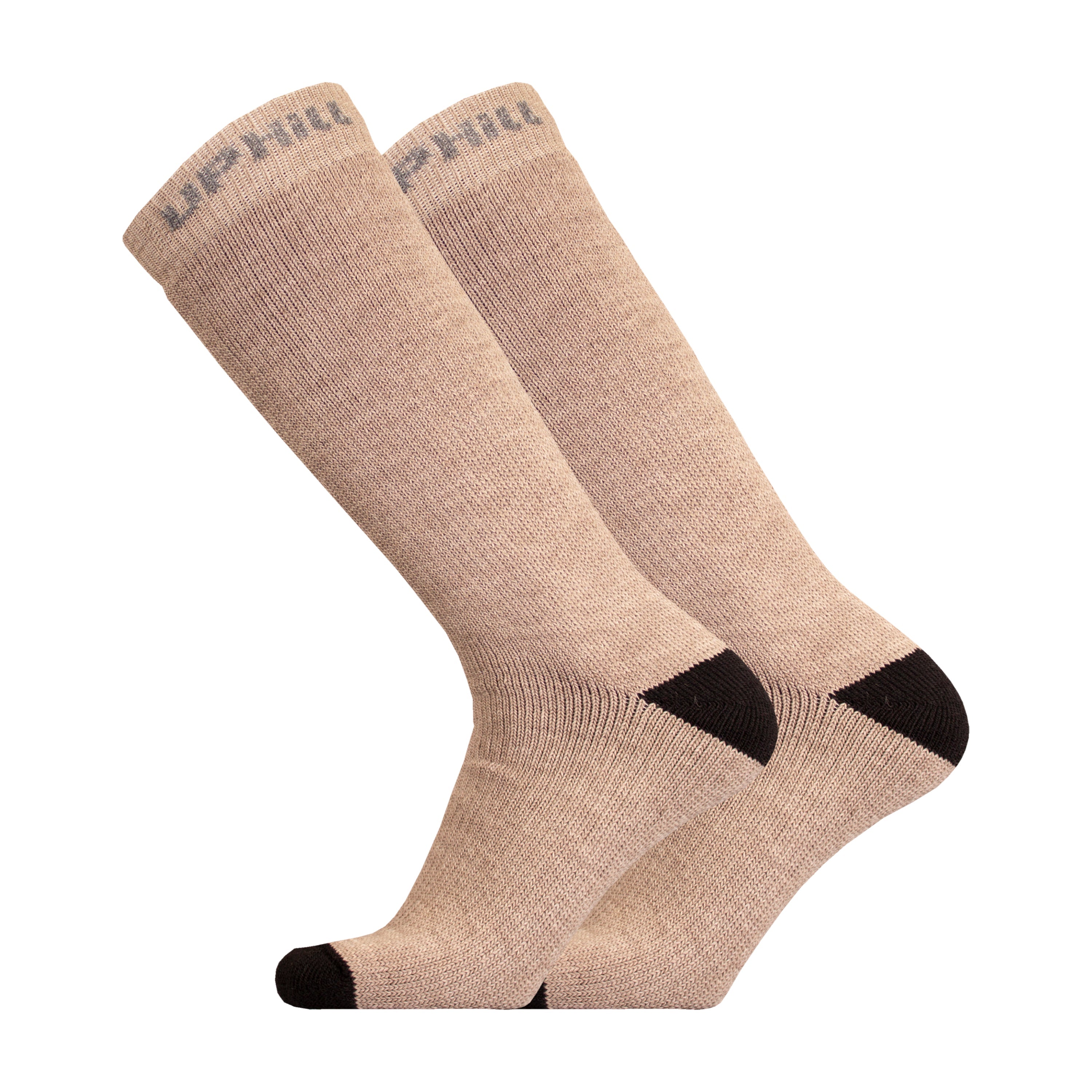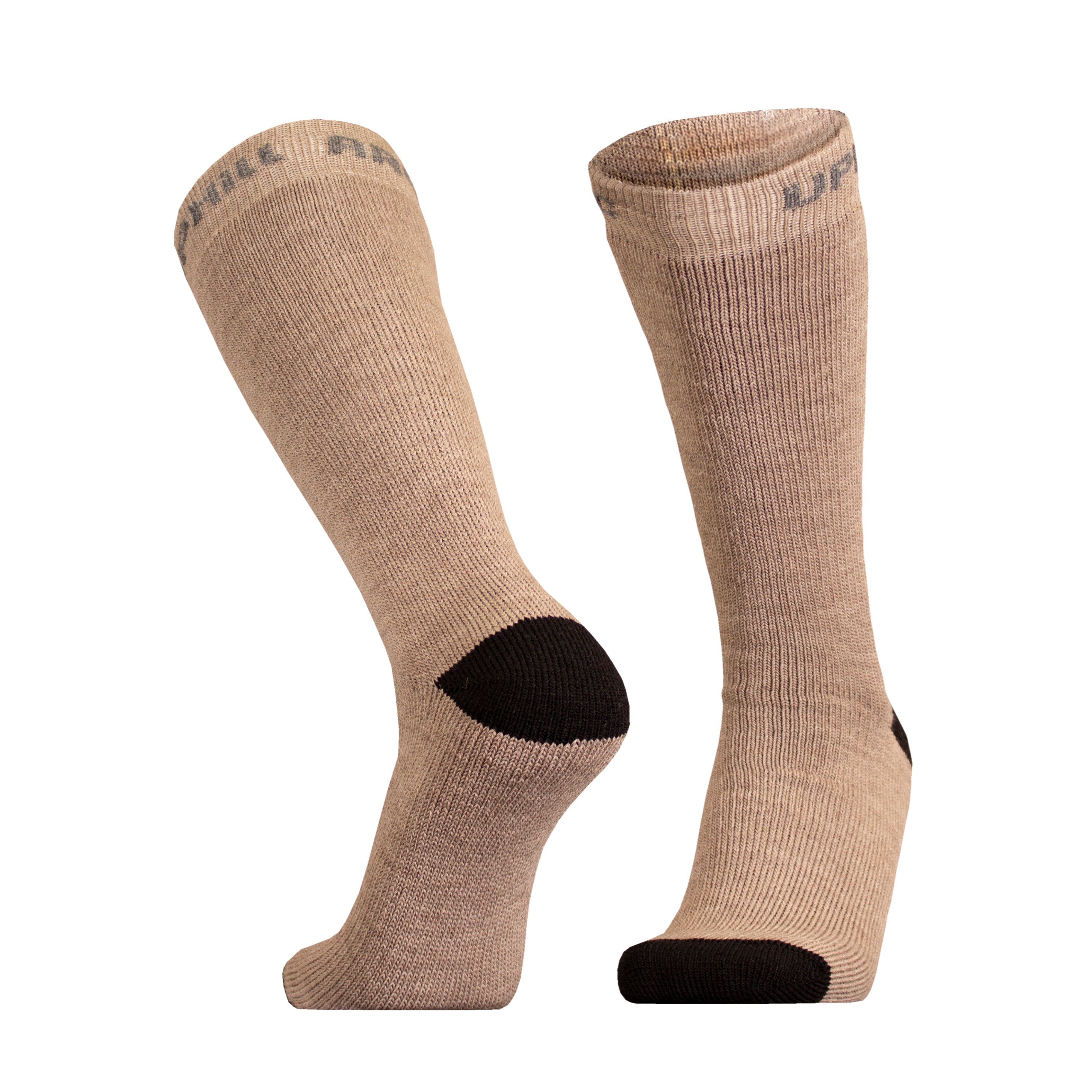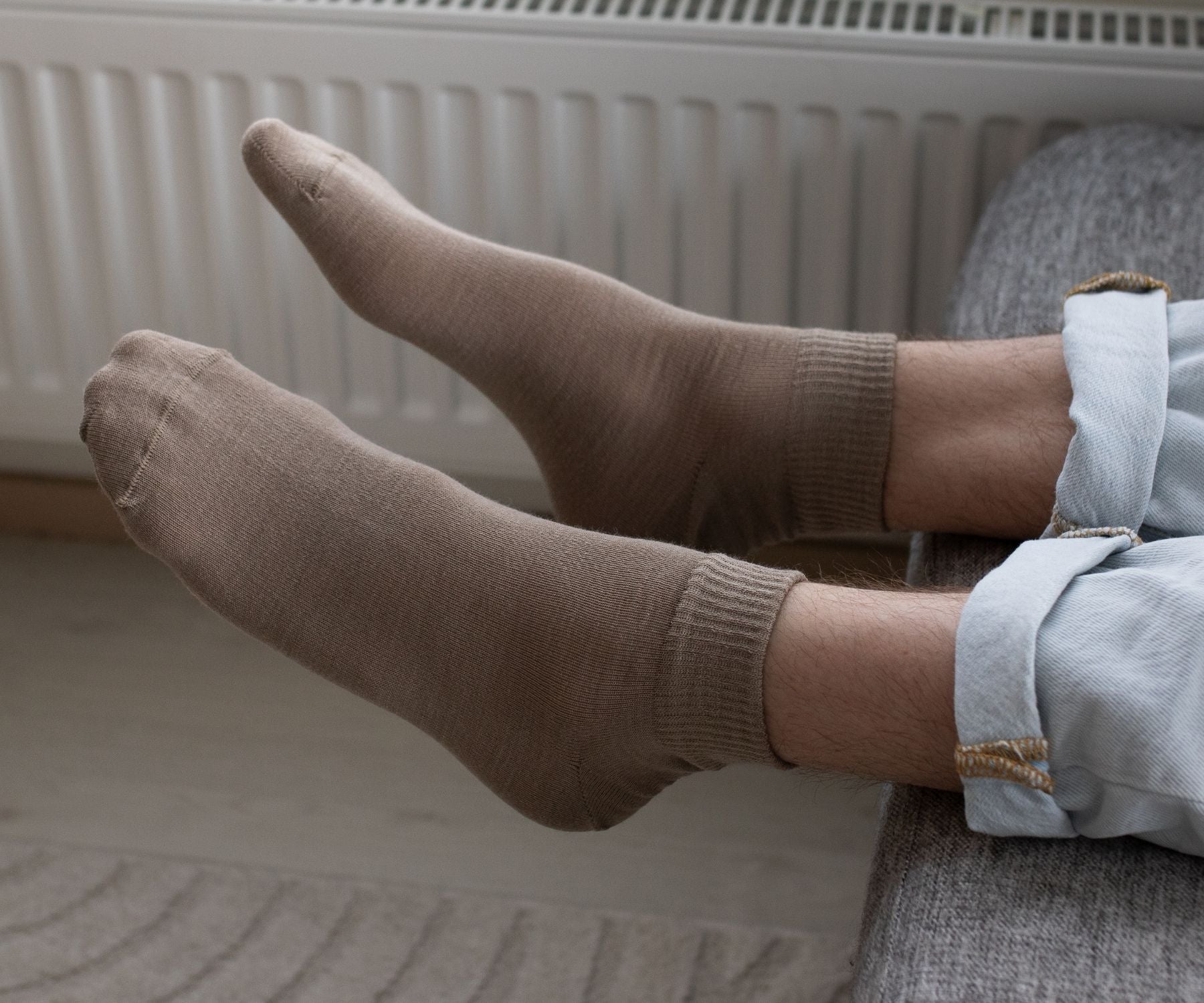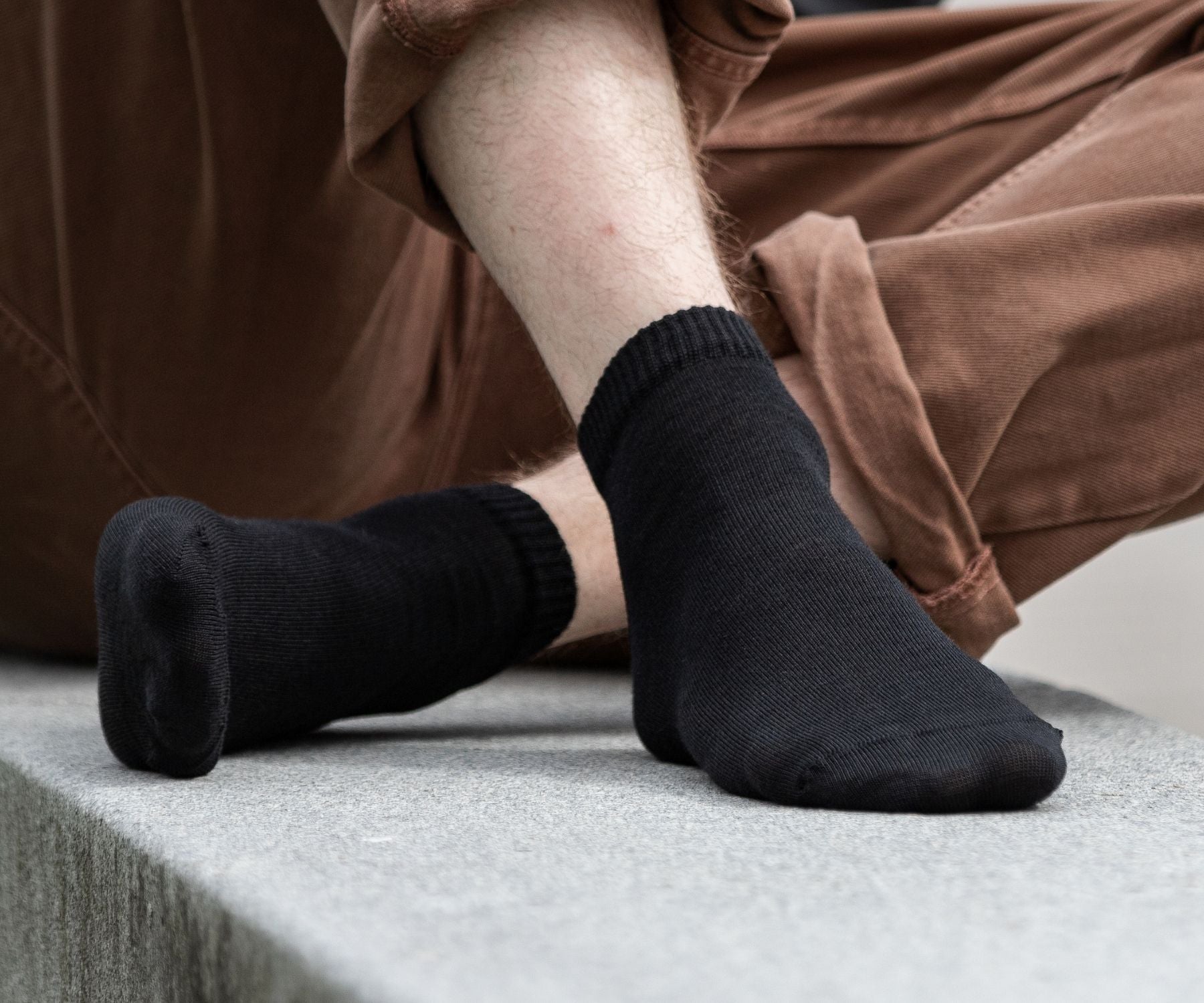
When choosing socks, the material of the sock makes a big difference to the well-being of your feet. Even high-quality shoes can perform poorly with the wrong kind of sock. Does the sock insulate against the cold? Does it breathe? Does it prevent sweating? Does it withstand wear and washing? We compared merino wool, cotton, bamboo and synthetic fibers so you know exactly which material is suitable for which situation.
1. Merino wool – nature's smart sock for outdoor use
Pros:
- Warms and cools: Merino wool insulates in the cold and breathes in warm weather – works year-round
- Wicks moisture: Keeps feet dry
- Antibacterial: Does not collect odors, freshens up by airing - less frequent washing needed
- Insulates even when damp: Works even when wet
- Natural and biodegradable: Ethically produced at Sukkamestarit from mulesing-free NATIVA merino wool with an open supply chain
- Long-lasting: with proper care, the properties of merino wool products withstand use
Cons:
- Pilling
- Higher price compared to cotton and bamboo
Best suited for: Outdoor activities and outdoor sports, work shoes, camping, hiking, everyday use – especially in cold and changing conditions.
Just four products and you have socks for every condition:
- Lifestyle socks - thin patterned merino wool socks for everyday use
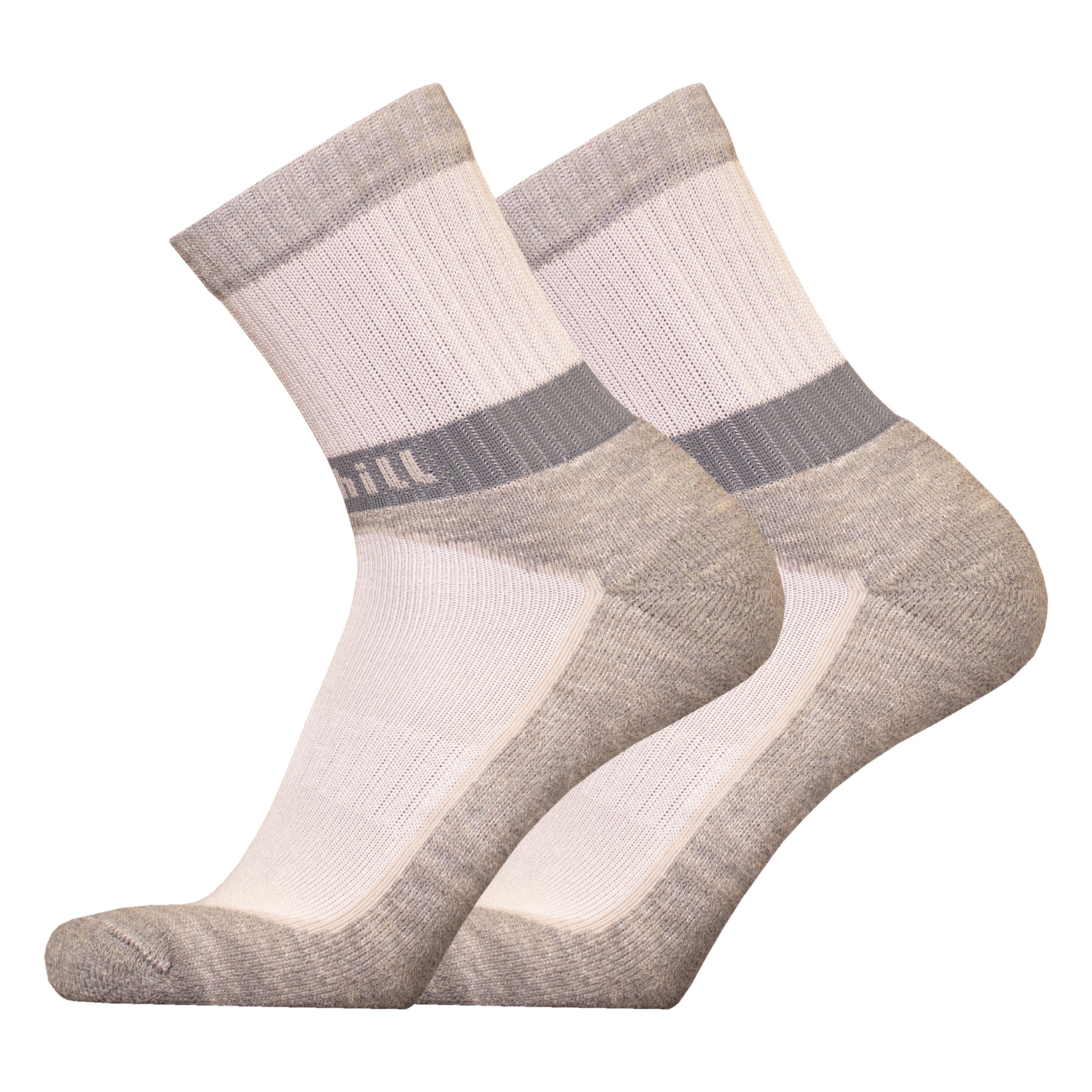
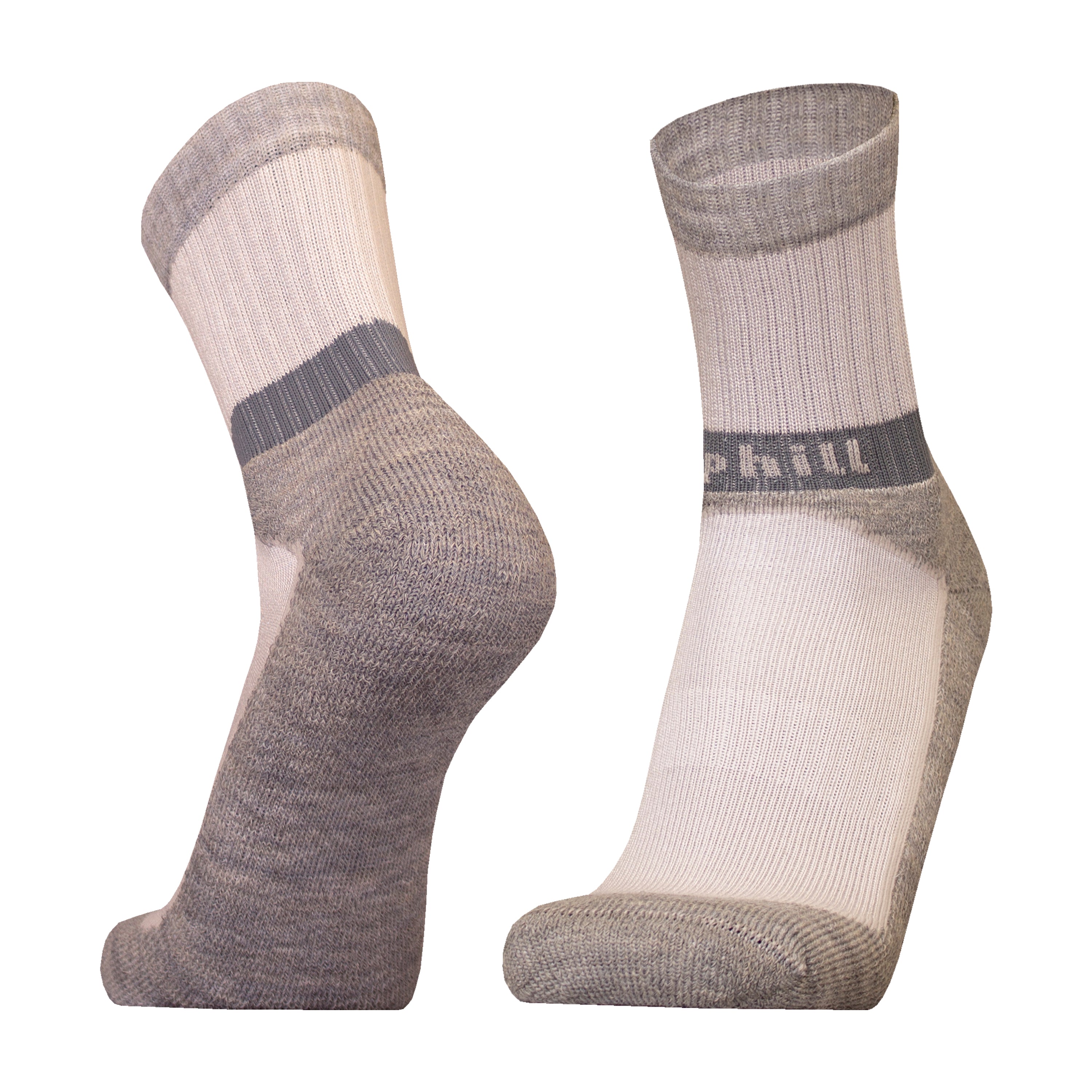
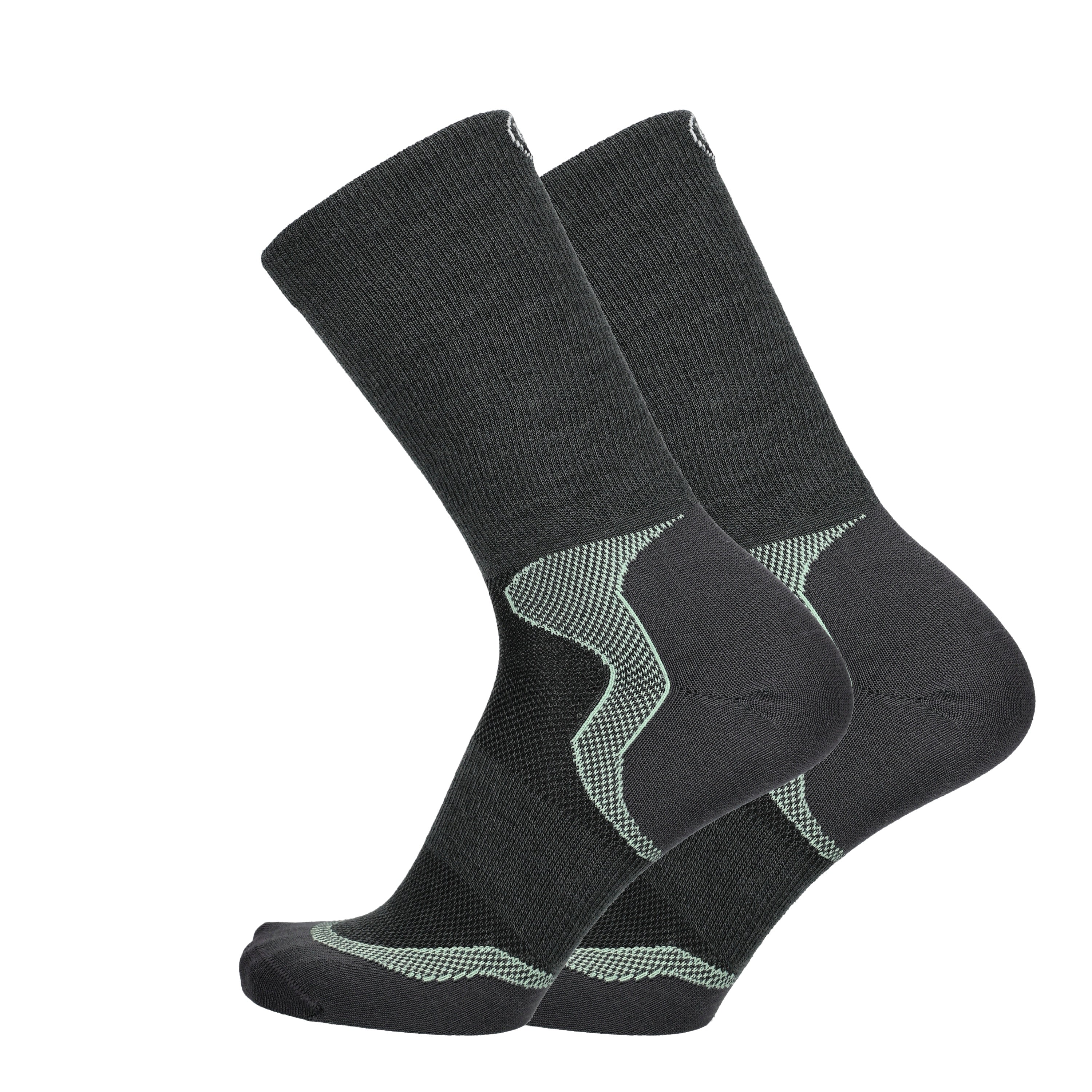
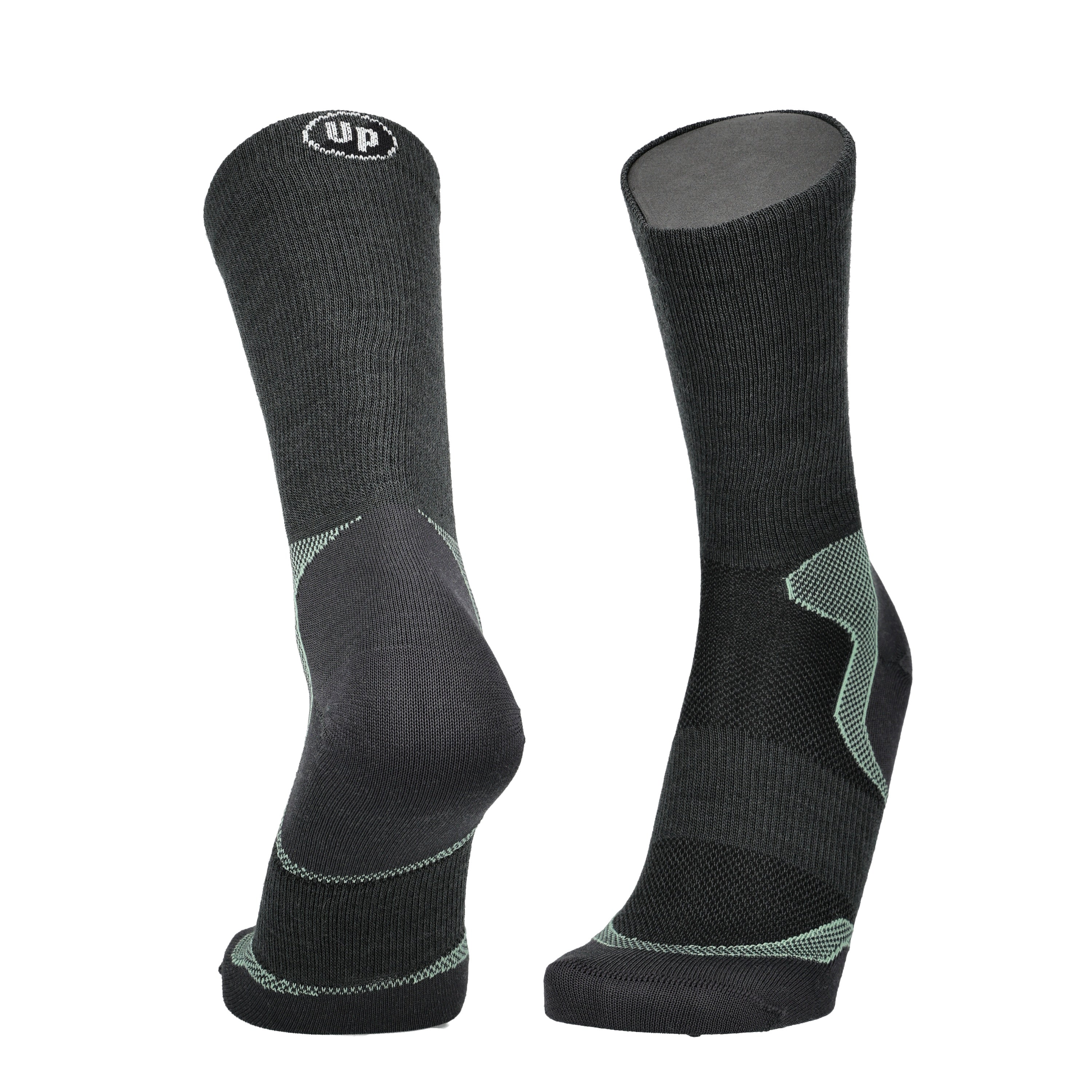
- Repo - medium-thick merino wool socks for outdoor use
- Malla-liner + Arctics - thin technical liner merino wool socks combined with a thick merino wool sock in cold weather (roomy winter footwear). Liner socks are also suitable to be worn on their own in light, snug shoes.


2. Cotton – a classic, but not the top choice for outdoor activities
Pros:
- Affordable and easy to find
- Soft against the skin
- Good durability
-
Easy to wash and care for
Cons:
- Absorbs moisture, but does not wick it away: A wet cotton sock feels cold and can chafe
- Does not keep you warm when wet
- Dries slowly
Best suited for: Everyday use and exercise in dry conditions; not recommended for active outdoor use, damp shoes, or cold conditions.
Sockmasters' recommendations:
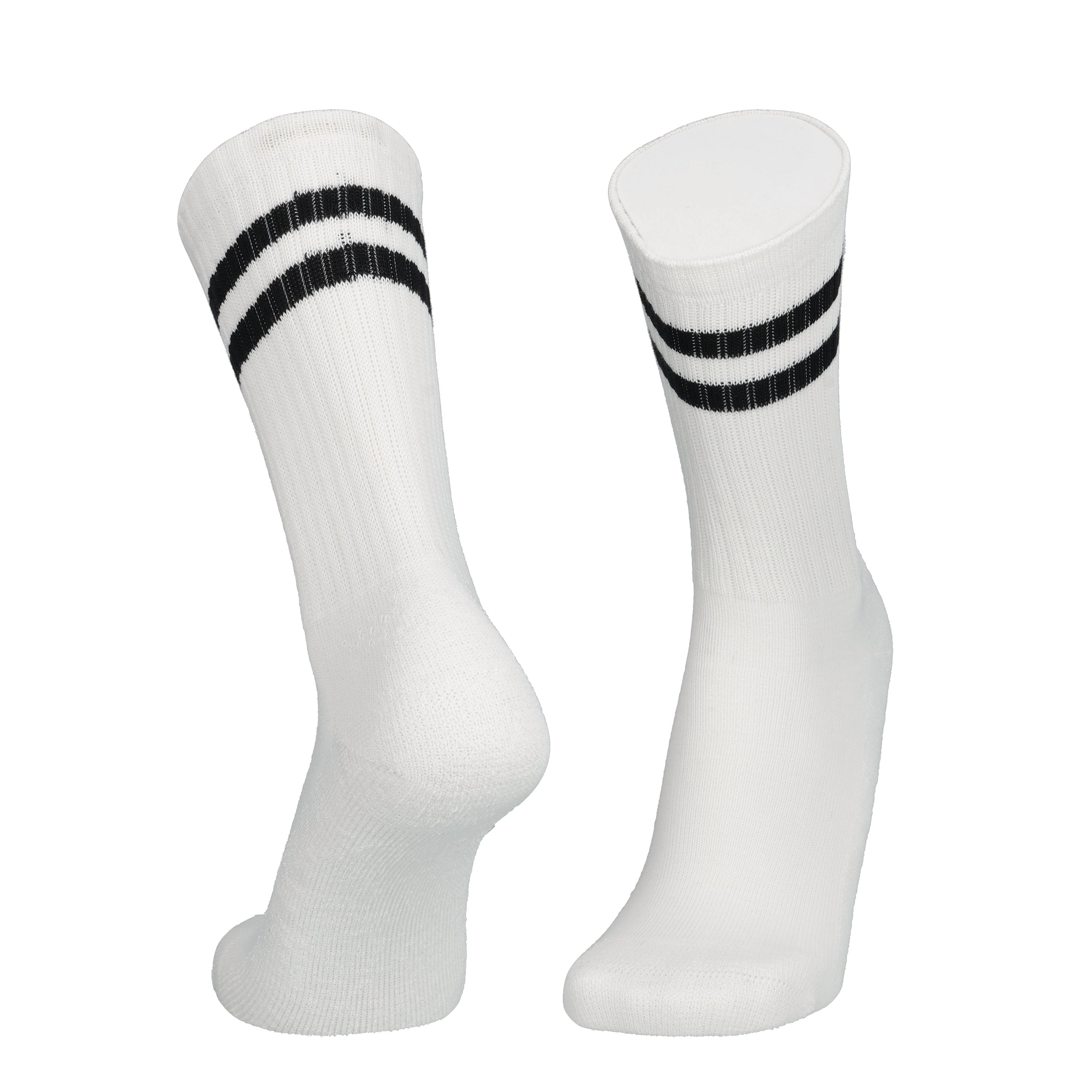
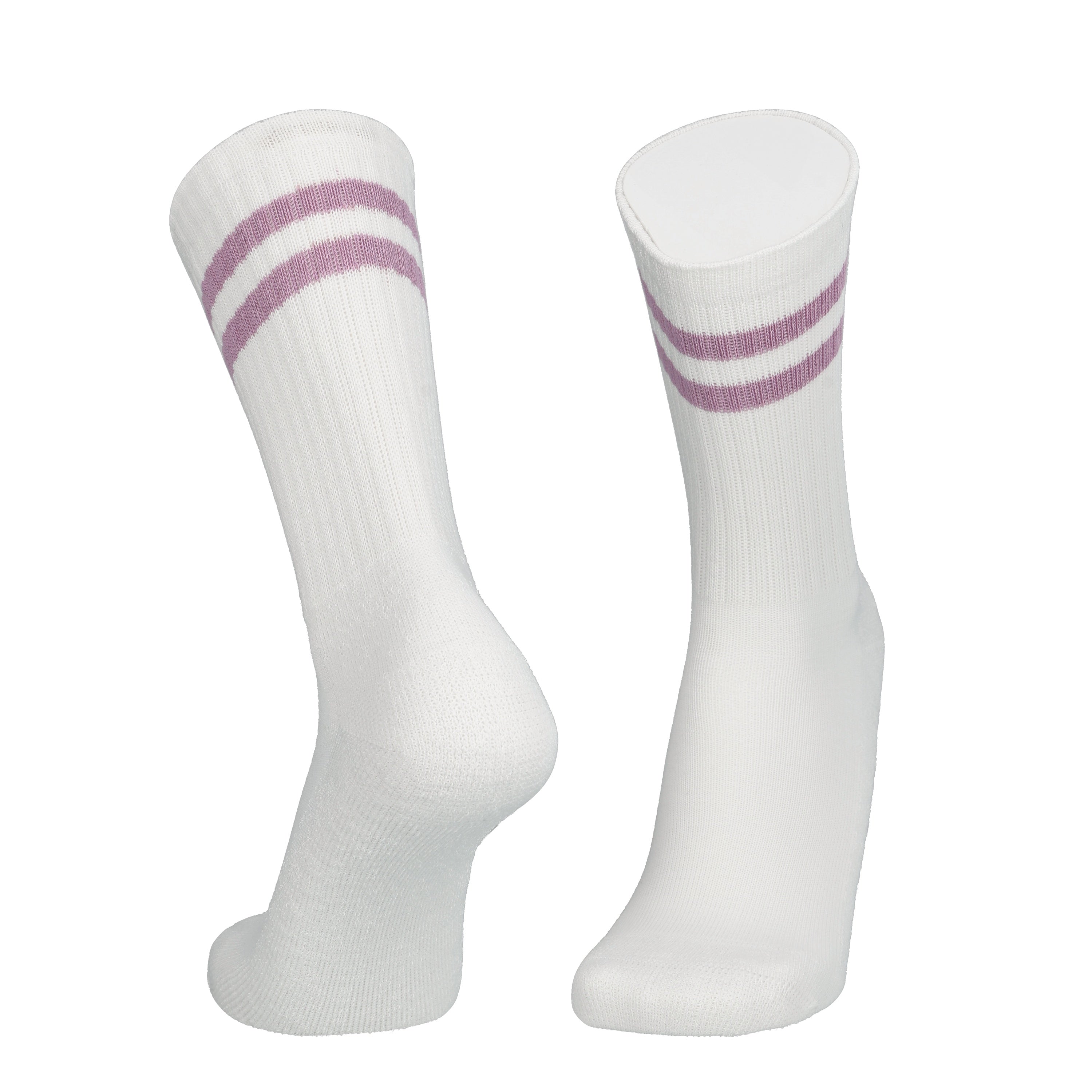
- RetroSport tennis socks - high-quality tennis socks for everyday wear and indoor exercise
- Pirne - high sneaker-length terry-sole socks for everyday wear and indoor exercise
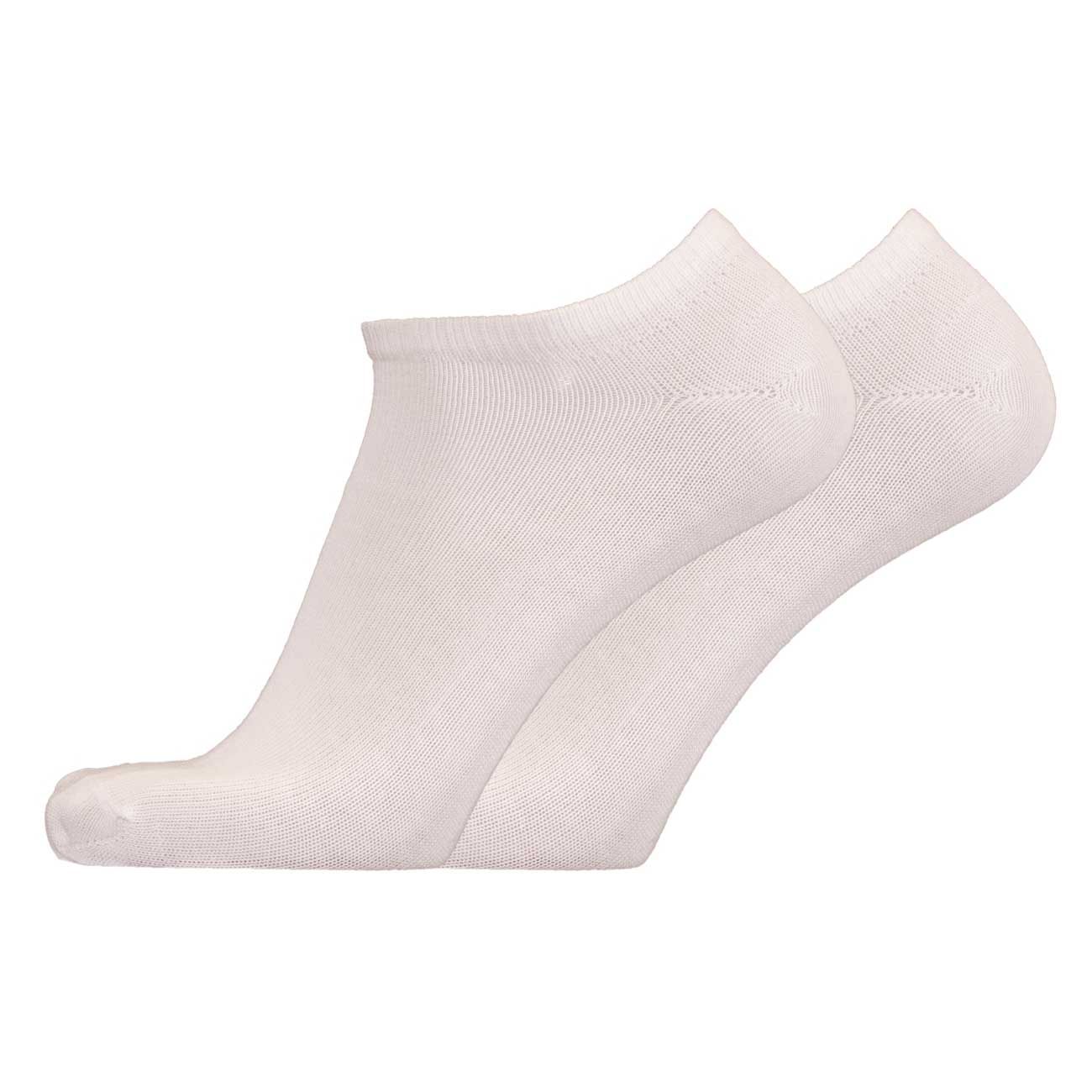
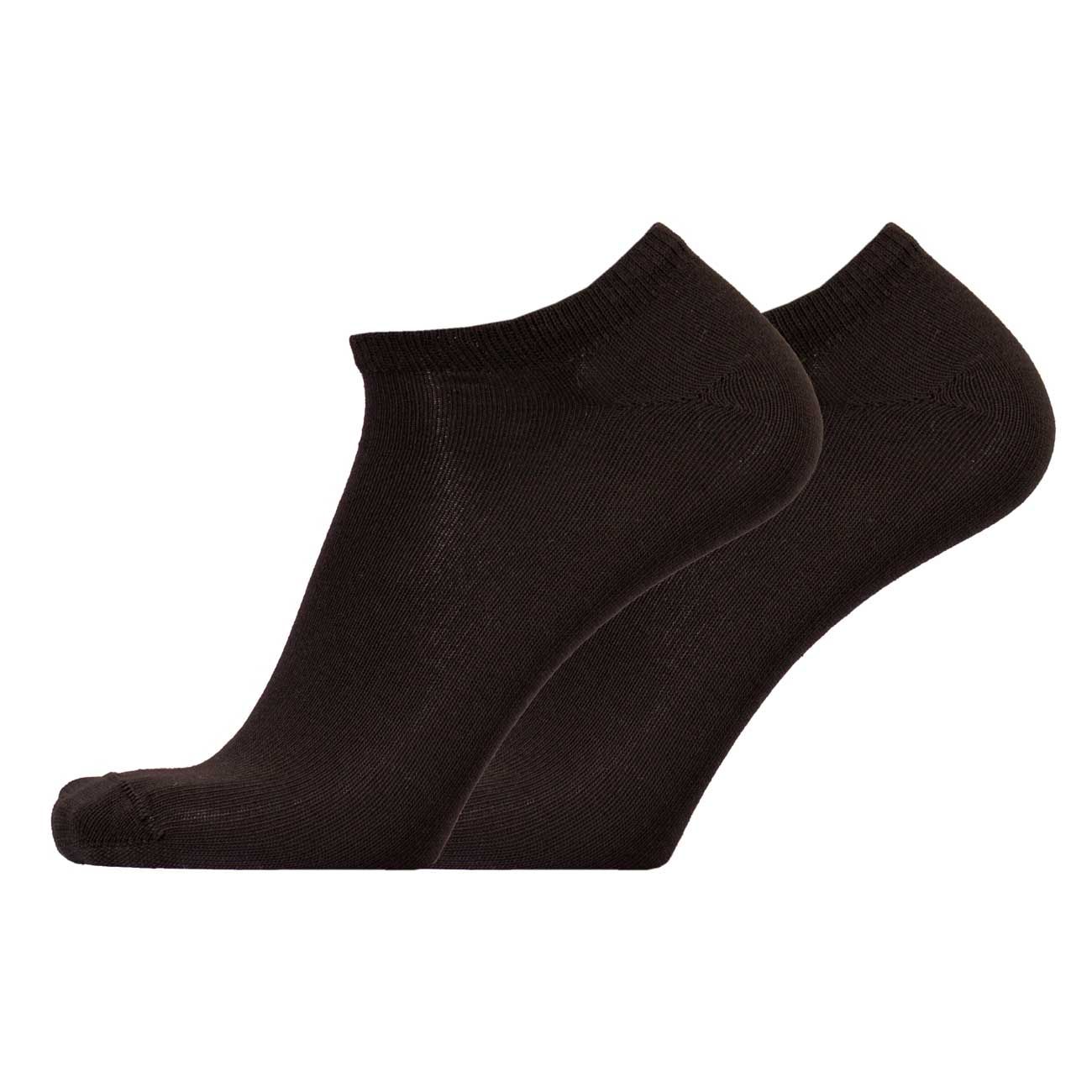
- Taati - sneaker-length socks for everyday wear in warm weather, great for sneakers
- Teno - non-binding socks for everyday use
-
Saana - technical wool-sole socks for sports and outdoor activities


3. Bamboo socks - super softness for your feet
Pros:
- Hypoallergenic - also suitable for sensitive skin
- Very soft
Cons:
- Durability is often weaker
- Does not insulate against cold
- Gets damp easily
- Dries slowly
Best suited for: Everyday wear in summer, outdoor activities, as an indoor and/or sleep sock
Sukkamestarit recommends:
- Vaaru - technical bamboo socks for outdoor activities
- Viita - technical bamboo socks for outdoor activities
- Naatu - soft sleep socks for better nights
- Vahto - ankle socks for everyday wear


4. Synthetic fibers (polyester, polyamide, elastane, polypropylene)
Pros:
- Excellent durability
- Fast drying
-
Good for blending with other fibers (e.g. merino wool blends)
Cons:
- Not natural – production consumes energy
- May retain odors
- Can build up static or feel plastic-like against the skin
Best suited for: Technical sports socks for indoor use, when the socks need to withstand heavy wear and dry quickly
- Front low - technical sneaker-length socks for running
- Front - technical ankle-length socks for running
- Contact - technical ankle-length socks for heavy wear / tactical sports


Summary
|
Material |
Warmth | Breathability | Moisture transfer | Durability | Responsibility |
|---|---|---|---|---|---|
| Merino wool | ⭐⭐⭐⭐ | ⭐⭐⭐⭐ | ⭐⭐⭐⭐ | ⭐⭐⭐ | ⭐⭐⭐⭐ |
| Cotton | ⭐⭐ | ⭐ | ⭐ | ⭐⭐ | ⭐⭐ |
| Bamboo | ⭐ | ⭐⭐ | ⭐ | ⭐⭐ | ⭐⭐⭐ |
| Synthetic | ⭐ | ⭐⭐ | ⭐⭐⭐ | ⭐⭐⭐⭐ | ⭐ |
Socks work best when they are chosen according to the prevailing conditions and the footwear being used.
Merino wool socks are versatile all year round thanks to the natural technical properties of merino wool. They are an especially good choice for everyday wear and outdoor activities. Choose the thickness of merino wool socks according to the conditions and shoes.
Cotton socks are the wash-and-wear choice for everyday life. Durable material and easy care, with the ability to wash at higher temperatures (60 degrees) makes them an excellent choice for active indoor exercisers.
Bamboo socks pamper your feet with their super-soft feel. However, bamboo is not the best option for situations where socks are subjected to heavy wear and tear (except technical bamboo socks). For lounging at home and as sleep socks, bamboo is lovely for the summer season - in winter bamboo can feel cold.
Technical socks (made of synthetic fibers) are durable and last! Technical socks have been developed to withstand heavy wear. Usually these socks should be chosen for high-wear indoor exercise; group fitness, racquet and ball sports, etc. Technical socks are also suitable for running in warm conditions. For running in cold weather, it is worth choosing technical merino wool socks, so that the cold does not get a chance to nip your toes.